Brother SQ9285 Sewing Machine Review: Worth It? (November 2026)
The Brother SQ9285 is a computerized sewing machine sold through Walmart, and this review helps you decide whether it beats the wider Brother models we cover. Pick it if you want computerized stitch selection and a wide table in one box.

On this page (8 sections)
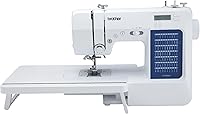
The Brother SQ9285 is a computerized sewing machine built for buyers who want stitch selection on a screen without paying for a premium model. It ships with a wide extension table, a hard cover and a set of presser feet, so it covers garment sewing and light quilting in one purchase.
The main catch is availability: it's a Walmart-channel model, so warranty service runs through that retailer rather than a Brother dealer. This review weighs what the SQ9285 offers against the Brother machines we cover in more depth.
If you're reading brother sq9285 sewing machine reviews to choose between this model and the XR9550 or CS7000X, the comparison below gives you the decision rule. For most quilters, the XR9550 is the stronger buy.
The Brother SQ9285 at a glance
The SQ9285 sits in the computerized tier: an LCD screen for stitch selection, push-button settings and an automatic needle threader. It's a step above a dial machine like the GX37 and a step below the high-stitch-count XR9550.
The extension table and hard cover are the features that push it past a basic starter machine.
Its buyer is someone who sews regularly and wants decorative stitches without moving up to an embroidery machine. The screen makes stitch changes quicker than turning a dial and checking a printed chart.
Who it suits
Pick the SQ9285 if you want computerized controls, a wide table and a hard cover in one package and you're comfortable buying through Walmart. Skip it if dealer service matters more to you, or if you want the widest stitch menu Brother offers at this price tier.
In that case the Brother XR9550 is the better fit.
The clearest way to decide is by project type. Garment sewing, home decor like curtains and cushion covers, and straight-line quilting all sit within reach of the SQ9285's stitch band and its extension table.
Heirloom sewing and personalized gifts with lettering push you toward a higher stitch count. It also suits a household that shares one machine between two sewers, because screen selection is easier to teach than a dial.
Specs that matter in daily use
The specs that change your day are stitch count, feet and workspace, not the screen size. The SQ9285's extension table widens the bed for quilting, and its presser feet cover the everyday jobs: zipper insertion, buttonholes, blind hems and basic quilting.
| Detail | Brother SQ9285 |
|---|---|
| Controls | Computerized with LCD screen |
| Needle threading | Automatic needle threader |
| Bobbin | Drop-in top bobbin |
| Workspace | Extension table included |
| Cover | Hard cover included |
| Feet | Multiple presser feet in the box |
| Feed dogs | Adjustable for free-motion work |
| Warranty | Limited Brother warranty |
Stitch count is the number buyers weigh most. A machine with 60 or more stitches covers garment construction, home decor and decorative work, and the SQ9285 sits in that band.
The XR9550's 165 stitches add alphanumeric lettering and 8 buttonhole styles, which matters if you sew gifts or personalized items. The drop-in top bobbin is the quiet quality-of-life feature: you load it from the top without removing the bobbin case, and the jam-resistant design keeps it seated.
Feed dog control decides whether the machine can do free-motion quilting, so budget practice time for that skill.
The feet decide which techniques you can start on day one. A zipper foot handles bag linings and dress seams, a buttonhole foot works with the one-step buttonhole stitch, and a quilting foot keeps layers moving together.
When a technique calls for a foot that isn't in the box, you buy it separately, and free-motion quilting is the common example.
Setting up the SQ9285 for the first time
Set up takes about 30 minutes once the machine is out of the box: thread it, wind a bobbin, fit a needle and run a test seam on scrap fabric. Do this before your first real project so you learn the tension and stitch length on material you can throw away.
Start with the manual open at the threading diagram. The automatic needle threader still needs the thread path above the needle to be correct: run the thread through the guides, then let the threader push it through the eye.
Wind a bobbin with the bobbin winder and load it into the drop-in top bobbin. Check that the thread feeds in the direction the arrows show.
A bobbin loaded backwards causes skipped stitches and tangles that look like tension faults.
Fit a fresh needle and raise the presser foot before you thread, then lower it before you sew. Run a straight stitch at medium length on two layers of scrap and check the seam from both sides.
Adjust the top tension only after the basics are right, changing one setting at a time. Most early problems trace back to threading or the bobbin, not the tension dial.
Fit the extension table when you move to a larger project: it clips onto the free arm and widens the surface so fabric doesn't drag off the edge.
Care that keeps stitches even
Clean the bobbin area after every few projects and cover the machine when it's not in use. Lint builds up under the needle plate and around the bobbin case, and trapped lint causes skipped stitches and noisy running.
Brush lint from the feed dogs and the bobbin case with the small cleaning brush, and never blow lint into the machine with compressed air; it pushes debris deeper.
Change the needle when it dulls or bends. A dull needle snags fabric and pulls threads, and the symptom often looks like a tension problem.
Keep a small stock of needles in the sizes your fabric needs. Use the hard cover between sessions: it keeps dust off the screen and the mechanisms and protects the machine if it shares a table with other craft supplies.
The extension table stores separately, so find a spot for it before it gets buried. Have the machine serviced occasionally if you sew heavily, and save the receipt from wherever you bought it, since the sales channel affects who handles a claim.
Trade-offs to know before you buy
The biggest trade-off is the sales channel: the SQ9285 is a Walmart model, so warranty claims and service run through that route. Buyers who want a local Brother dealer for repairs should choose a model sold through the dealer network instead.
The second trade-off is stitch count against the XR9550. The SQ9285's stitch menu covers everyday work but not the alphanumeric stitches and 8 buttonhole styles the XR9550 offers.
The third is workspace and storage. A machine with an extension table takes more table depth, and the hard cover plus table need a home.
Check your sewing space before you commit. Finally, a computerized machine depends on its electronics: the screen and push-button selection are the point, but they also mean the machine needs sensible care and a stable power supply.
That's true of any computerized model, not just this one.
How the SQ9285 compares with the Brother models here
The SQ9285's closest rivals are the XR9550 for quilting and the CS7000X for beginners. Each H3 below gives the short answer on who should choose it.
Brother XR9550: the quilting pick
The Brother XR9550 carries 165 built-in stitches, 8 presser feet, a wide table and a hard cover. That's more stitch choice and more feet than the SQ9285, and it's the model we'd choose for quilting and decorative sewing.
Brother gives the XR9550 a 25-year limited warranty and free technical support for the life of the machine. The machine weighs 10.1 lb, so it's portable enough to move between rooms.
Its LCD screen shows the stitch and settings, and the automatic needle threader and drop-in top bobbin keep setup quick. The 165 stitches break down as 110 utility, decorative and heirloom stitches plus 55 alphanumeric sewing stitches, and its eight one-step auto-size buttonholes give you more options than a single buttonhole style.
It runs on 120 volts and is sold for the US market, and its 20 inch width is worth noting when you plan table space.
Brother CS7000X: the beginner-friendly pick
The Brother CS7000X has 70 built-in stitches and 10 presser feet plus a quilt guide, along with a metal frame and a fixed needle bar. For a first computerized machine, it's the easiest to grow into.
The metal frame adds stability and the fixed needle bar keeps the needle in place while you sew. Its large needle-to-arm workspace helps with bigger projects, and the hard case makes it portable.
Brother backs it with a 25-year limited warranty. The 70 stitches include utility, decorative, heirloom and quilting stitch functions, plus seven one-step auto-size buttonholes.
That's fewer stitches than the XR9550 but more feet. The CS7000X weighs 14 lb, so it's heavier than the XR9550 and the GX37, and that weight comes with the metal frame.
If you'll move the machine often, the lighter models suit better.
Brother GX37: the simple everyday pick
The Brother GX37 is a dial machine with 37 built-in stitches and 6 presser feet. It's the simplest option here for mending, hemming and basic garment sewing.
Stitches are printed on the machine, so selection is one turn of the dial. It has an automatic needle threader and a drop-in top bobbin too, and it weighs 10.1 lb.
The GX37's 37 stitches are utility and decorative stitches built for garment construction and applique, and it has an auto-size buttonhole stitch and buttonhole foot. There's no LCD screen and no wide table in the box.
That's the reason to step up to the SQ9285 or CS7000X if you plan to quilt or use decorative stitches regularly. If you mainly fix hems, the GX37 is enough.
Is the Brother SQ9285 worth buying?
Buy the SQ9285 if you want computerized stitch selection, an extension table and a hard cover in one purchase and you're happy buying through Walmart. It handles garment sewing, home decor and light quilting, and the screen makes stitch changes quick.
Skip it if dealer service matters more to you or if you want the largest stitch menu at this tier.
The XR9550 is the stronger buy for quilting and decorative work. A beginner who wants room to grow should look at the CS7000X instead.
For most quilters, the XR9550 comes out ahead.
Frequently asked questions
Is the Brother SQ9285 a good machine for beginners?
Yes, if you want computerized stitch selection without a steep learning curve. It has an automatic needle threader and a drop-in top bobbin, so the two fiddliest setup steps are handled for you.
Compare its stitch count with the XR9550 before deciding.
Where is the Brother SQ9285 sold?
The SQ9285 is sold through Walmart rather than through the Brother dealer network. That matters for warranty service, so keep your receipt and confirm who handles repairs in your area before you buy.
How does the Brother SQ9285 compare with the Brother XR9550?
The XR9550 carries 165 built-in stitches, 8 presser feet, a wide table and a hard cover. The SQ9285 is the simpler computerized option.
Pick the XR9550 if quilting and decorative stitches matter to you.
Does the Brother SQ9285 come with a wide table?
Yes, the SQ9285 ships with an extension table that widens the sewing surface for larger projects. Check that your work table has room for it, because the extra width changes the footprint.
What warranty does the Brother SQ9285 have?
Brother backs the SQ9285 with a limited warranty, and the exact terms depend on the model and where you buy it. Keep the receipt and read the coverage document in the box before you start sewing.
Can the Brother SQ9285 quilt?
It can handle straight-line quilting and piecing with its included walking-style quilting foot. For free-motion work you need to lower the feed dogs and fit a free-motion foot, which is an extra purchase.