Brother ST371HD Sewing Machine Review: Worth It? (October 2026)
The Brother ST371HD suits everyday sewing, garment repairs and alterations if you want a free arm, 37 built-in stitches and six included feet. Choose it for varied home projects, and use the manual’s fabric and needle guidance for thicker layers.
On this page (8 sections)
- What does the Brother ST371HD offer?
- Can the ST371HD sew denim and other thick fabrics?
- Which included feet help with everyday sewing?
- How should you set up the ST371HD for a first project?
- How do you care for the machine and avoid common mistakes?
- How does the ST371HD compare with the ST531HD and Singer 4432?
- Who should choose the ST371HD, and who should skip it?
- Is the Brother ST371HD the right sewing machine for you?
The Brother ST371HD is a versatile home sewing machine for repairs, garment sewing and alterations. The ST371HD combines a free arm, 37 built-in stitches, an automatic needle threader and six included feet for common tasks.
Its “Strong & Tough” name doesn’t mean every bulky fabric stack will feed smoothly. Match the needle and foot to your project, follow the manual, and try the same fabric layers on a scrap first.
What does the Brother ST371HD offer?
The Brother ST371HD pairs 37 built-in stitches with a free arm and automatic needle threader. It’s intended for beginners through experienced sewers, with features for garments, repairs and alterations.
Brother ST371HD: Best for everyday repairs

- 37 built-in stitches
- Free arm
- Automatic needle threader
- 6 included feet
A machine for everyday sewing, garment repair and alterations, with a free arm for cuffs and sleeves. Its stitch selection and included feet support a range of common tasks.
Pros
- Automatic needle threader
- Free arm for cuffs, sleeves and jeans
- Includes 6 sewing feet
- Brother offers technical support for the life of the machine
Cons
- Fewer built-in stitches than the ST531HD
- Follow fabric and needle guidance before sewing thick layers
The stitch selection includes an auto-size buttonhole, while the drop-in top bobbin is designed to resist jams. The free arm gives you access around narrow openings, such as cuffs and sleeves.
The included feet let you handle several jobs without buying a separate foot for each one. That’s useful if you want one machine for ordinary seams, hems, zippers and buttonholes rather than a specialized machine for a single task.
How do the Brother ST371HD stitches help?
The 37 stitch options cover utility and decorative sewing, including stretch stitches, hems and buttonholes. Choose the stitch that suits your fabric and task, then check the manual for the right setup.
A larger stitch count isn’t automatically better. For basic repairs and hemming, you may use only a few options; decorative or stretch stitching matters more if you expect to explore those techniques.
Is the automatic needle threader useful?
The automatic needle threader pushes thread through the needle and can make one part of setup easier. You still need to thread the rest of the machine correctly and wind and seat the bobbin as the manual directs.
A correctly wound bobbin helps you start with fewer thread problems. Follow our guide to wind a sewing machine bobbin before your first seam if that step is new to you.
Can the ST371HD sew denim and other thick fabrics?
Brother describes the ST371HD for materials ranging from thick outdoor fabrics to lightweight silk. That range makes it worth considering for mixed projects, but the fabric, seam bulk, needle and setup all affect how a particular stack feeds.
For denim hems, the thick junctions where seams overlap can be harder to sew than a straight run across a flat area. Support the fabric, guide it without pulling, and slow down as you approach bulky sections.
Use the manual’s needle and fabric guidance for the material in front of you. Sew a scrap with the same layers first, so you can check the stitch and feeding before working on a finished garment or gear item.
If thick layers are a regular part of your sewing, compare the options in our guide to sewing machines for thick fabric. Our overview of heavy-duty and regular sewing machines can also help you decide what kind of workload you have.
Which included feet help with everyday sewing?
The six included feet cover several common sewing jobs: spring-action zigzag, nonstick, blind stitch, zipper, buttonhole and button sewing. Match the foot to the stitch and task, and check the manual before changing it.
| Included foot | Common use |
|---|---|
| Spring-action zigzag | General sewing and zigzag stitches |
| Nonstick | Materials that may drag under a standard foot |
| Blind stitch | Blind hems |
| Zipper | Sewing close to a zipper |
| Buttonhole | Making buttonholes |
| Button sewing | Attaching buttons |
The foot alone doesn’t set up the whole job. Buttonholes and button sewing, for example, need the correct stitch selection and placement as well as the matching foot.
Our guide to sewing machine presser feet explains how common feet differ and when you might need another one.
How should you set up the ST371HD for a first project?
Start with the manual, a correctly installed needle, a threaded machine and a wound bobbin. The automatic needle threader and top drop-in bobbin can make those steps more convenient, but they don’t remove the need to thread each part in the right order.
Before using project fabric, cut a scrap of the same material and make a short seam. Check that the stitch looks right on both sides, the fabric feeds without force, and the thread doesn’t snag.
A first practice session should focus on control, not speed. Try a straight line, stop with the needle down if the manual recommends it for turning, and practice lifting the presser foot to pivot neatly at a corner.
If you’re new to sewing, our guide to first-day sewing machine basics walks through threading, a test seam and simple practice. Keep scraps from different fabrics together so you can refer back to how each one behaved with your chosen setup.
How do you care for the machine and avoid common mistakes?
Keep lint out of the needle and bobbin area, and change a bent or damaged needle rather than sewing through resistance. Follow the manual for cleaning and care, since the correct steps depend on the machine’s design.
One common mistake is pulling fabric from behind or in front of the presser foot. Let the feed system move the material, and guide it lightly; pulling can affect the seam and put strain on the needle.
Another mistake is assuming that a “heavy duty” label makes needle choice or fabric testing unnecessary. Use the manual’s guidance, match the needle to the fabric, and check a scrap when you change material or add layers.
If thread breaks, stop and recheck the threading path, needle condition and bobbin placement before continuing. Sewing over a problem can make the tangle worse and damage the fabric.
How does the ST371HD compare with the ST531HD and Singer 4432?
The ST371HD suits buyers who want a broad set of everyday features without choosing a machine for speed or the largest stitch count. The ST531HD adds stitch options and a finger guard, while the Singer 4432 is the speed-focused alternative.
Brother ST531HD: Best for stitch variety

- 53 built-in stitches
- Free arm
- Automatic needle threader
- 6 included feet
Consider the ST531HD if you want more built-in stitch choices and a finger guard. Brother describes it as suitable for a range of fabrics, including up to six layers of denim with the included spring-action zigzag foot.
Pros
- 53 built-in stitches
- Automatic needle threader
- Includes 6 sewing feet
- Finger guard
Cons
- More stitch options may be unnecessary for basic mending
- Intended for use at 120 volts in the US
The ST531HD has 53 stitches and six included feet. Brother describes it as able to sew up to six layers of denim with its spring-action zigzag foot, which may appeal if denim projects are a regular part of your sewing.
Singer 4432: Best for long seams
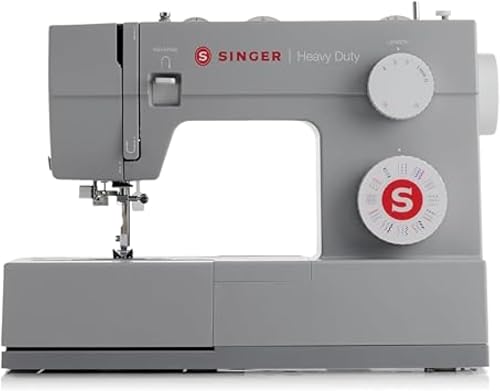
- Up to 1,100 stitches per minute
- 32 stitches
- Top drop-in bobbin
- One-step buttonhole
The Singer 4432 is an alternative if sewing speed matters for longer seams. It has 32 stitches and a top drop-in bobbin with a clear cover.
Pros
- Up to 1,100 stitches per minute
- One-step buttonhole
- Clear-view bobbin cover
Cons
- Fewer built-in stitches than either Brother model
- Speed may matter less for careful repairs
The Singer 4432 offers up to 1,100 stitches per minute and 32 stitches. That higher maximum speed may help with long seams, but it matters less if you sew slowly or mostly make short repairs.
Consider our Brother sewing machines for beginners guide if you’re choosing a first machine and want to compare other Brother options.
Who should choose the ST371HD, and who should skip it?
Choose the ST371HD if your projects include garment repairs, hems, cuffs, sleeves, buttonholes and a mix of ordinary home sewing. Its free arm, included feet and range of stitches suit buyers who want room to try different tasks without needing every advanced option.
The ST531HD is a better match if you specifically want 53 built-in stitches or a finger guard, and you value Brother’s stated denim-layer capability. The Singer 4432 is the more direct fit if sewing speed for long seams is your main priority.
Skip the ST371HD if your work depends on a specialized machine or if you expect every thick seam to feed easily just because the model is called “Strong & Tough.” For frequent heavy materials, compare models built for that workload and follow their fabric guidance.
Think about the projects you’ll sew most often, rather than counting every stitch you might use someday. A machine that fits your regular repairs and garments is a stronger choice than paying attention to features you don’t plan to use.
Is the Brother ST371HD the right sewing machine for you?
Pick the Brother ST371HD for versatile home sewing and repairs if a free arm, automatic needle threader and six useful feet match your projects. Choose the ST531HD for more stitches and a finger guard, or the Singer 4432 if a faster maximum sewing speed matters most.
If thick layers are a frequent part of your work, use our sewing machine guide for thick fabric to compare your options and check each model’s fabric guidance before deciding.
Frequently asked questions
Is the Brother ST371HD good for beginners?
The ST371HD can suit a beginner who wants an automatic needle threader, drop-in top bobbin and several stitch choices. Its free arm helps with cuffs and sleeves, and its included feet cover common sewing tasks.
Read the manual and practice on fabric scraps before starting a finished project.
Can the Brother ST371HD sew thick fabric?
Brother describes the ST371HD for fabrics ranging from thick outdoor materials to lightweight silk. Your result still depends on the fabric, number of layers, needle and setup.
Follow the manual’s fabric and needle guidance, then try a scrap made from the same layers before sewing a finished item.
What feet come with the Brother ST371HD?
The ST371HD includes spring-action zigzag, nonstick, blind stitch, zipper, buttonhole and button sewing feet. They support common jobs such as seams, hems, zippers and buttons.
Use the manual to match each foot with the right stitch and setup, and check compatibility before buying extra feet.
What is the difference between the Brother ST371HD and ST531HD?
The ST371HD has 37 built-in stitches, while the ST531HD has 53 and includes a finger guard. Both have a free arm, automatic needle threader and six included feet.
Brother describes the ST531HD as able to sew up to six layers of denim with its spring-action zigzag foot.


