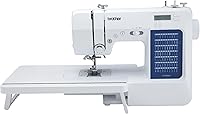
Singer Heavy Duty 4452 Sewing Machine Review: Worth It? (November 2026)
Buy the Singer 4452 if you sew thick seams regularly and want a walker and non-stick foot in the box. Its 32 stitches cover garment and home projects, and the 50 percent extra power handles denim and canvas. Skip it for light garment sewing only, where the 4423 offers more stitch options.
On this page (9 sections)
The Singer 4452 is a solid heavy duty machine for sewists who regularly work with thick seams, and its strongest selling point is the accessory set. Six presser feet come in the box, including a walking foot and a non-stick foot, so you can start on denim and vinyl without buying extras.
The trade-off is fewer stitches than the 4423 and more weight on the table.
Singer Heavy Duty 4452 sewing machine at a glance
Singer 4452: Best for thick seams and tricky fabrics

- 32 built-in stitches
- 110 stitch applications
- 50% more power
- 1,100 stitches per minute
- Six presser feet
- Built-in needle threader
A heavy duty machine with a walking foot and non-stick foot included. It suits sewists who tackle denim, canvas and vinyl without buying extra feet.
Pros
- Walking foot included for even feeding on thick layers
- Non-stick foot glides on vinyl and leather
- 32 stitches give 110 applications
- Built-in needle threader speeds up threading
- Full metal frame reduces vibration
Cons
- Fewer stitches than the 4423
- Heavier than a basic machine
- Top drop-in bobbin needs its own winding routine
The Singer 4452 at a glance
The 4452 combines 32 built-in stitches with 110 stitch applications and a motor Singer rates at 50 percent more power than a standard machine. That mix suits sewists who want one machine for basic mending and heavier projects like jeans hems and canvas bags.
The full metal frame keeps vibration down during long sessions. A built-in needle threader and a top drop-in bobbin with a clear cover make threading and bobbin checks quick, which matters when you switch fabrics often.
The transparent bobbin cover is jam-proof, so you can monitor the thread supply without lifting a plate or stopping mid-seam.
The stitch applications spread across four families: basic seams, stretch stitches for knits, decorative stitches for visible work and a one-step buttonhole. That spread is why the machine works as a single do-everything option rather than a denim-only specialist.
Our score weighs specs, features and buyer feedback against what you're shopping for. The 4452 earns an 8.2, while the 4423 scores 8.8 because it offers more stitch applications at a lighter weight for the same heavy duty power.
Who the Singer 4452 suits
Buy the 4452 if your projects involve denim, canvas, vinyl or multiple layers, and you want the feet to handle them without a separate purchase. The walking foot is the big one here: it feeds thick layers evenly so seams don't pucker or slide.
It also fits sewists who repair and upcycle. Hemming jeans, patching workwear and making tote bags from heavy cloth all play to its strengths.
The non-stick foot helps when vinyl or leather would drag under a standard foot, and the clearance plate lets thick seams pass under the needle without tilting.
Home decor sewists get real use from the kit too. Cushion covers, bag linings and heavier curtains ask for a walking foot and heavy-duty needles, and both are already in the box.
If you sew mostly light cottons and knits for garments, the machine is more than you need.
Skip it if you mainly sew lightweight garments and quilts. The 4423 covers those jobs with more stitch applications and less weight to move around.
If you're new to the craft and weighing options, our guide to the best Singer sewing machines for beginners covers entry-level models in more detail.
The specs that matter in daily use
Stitch count and speed decide how much of your sewing the 4452 can handle. The 32 built-in stitches cover basic, stretch, decorative and one-step buttonhole work, giving 110 applications across garment, home and craft projects.
Singer rates the machine at 1,100 stitches per minute. That speed helps on long seams like curtains and quilt bindings, where a slower machine makes the job drag.
For detailed work you'll run slower anyway.
The motor power is the other headline. Singer says the enhanced motor delivers 50 percent more power than a standard machine, which is what lets the needle pierce multiple layers of denim or canvas without stalling.
Adjustable presser foot pressure lets you dial back for sheer or lightweight fabrics.
The bobbin system is a top drop-in with a clear cover, so you can watch the thread supply and see when it runs low. It's easy to wind and insert.
The full metal frame keeps the machine stable during fast sewing and reduces vibration on thick seams.
The accessory kit is where the 4452 separates itself from the 4423. It includes six feet: all-purpose, zipper, button sewing, one-step buttonhole, even feed/walking and non-stick.
You also get a clearance plate, heavy-duty needles, a quilting guide, extra bobbins, spool caps and tools.
That kit covers most garment and home projects without a trip to the store. The clearance plate and heavy-duty needles are the parts beginners forget, and both come included here.
The feet and what each one does
The all-purpose foot handles straight seams and most everyday stitching. The zipper foot lets the needle sit close to the teeth so the stitching stays tight against the zipper tape.
The button sewing foot holds a button in place while you stitch it down without catching the fabric.
The buttonhole foot works with the one-step buttonhole function to cut and finish a consistent opening in a single sequence. The even feed, or walking foot, moves the top layer in step with the feed dogs so thick or slippery layers don't shift against each other.
The non-stick foot has a slick underside so vinyl, leather and coated fabrics glide instead of dragging. The clearance plate raises the needle path over bulky seams at corners and hems.
Together they cover thick seams and tricky surfaces, which is the main reason to choose this model over its siblings.
Setting up the Singer 4452
Setup is quick because the built-in needle threader and top drop-in bobbin remove the two fussiest steps. Thread the machine following the numbered guides, then use the needle threader lever to pull the thread through the eye.
Wind a bobbin on the winder, drop it into the top compartment and pull the thread up through the clear cover. The transparent cover lets you confirm the thread path without opening anything.
Fit the presser foot you need for the job. Start with the all-purpose foot for basic seams, then switch to the walking foot for thick layers or the non-stick foot for vinyl and leather.
Each foot snaps onto the presser bar, so swapping takes seconds between projects.
Adjust presser foot pressure to match the fabric. Lighter pressure suits sheer and lightweight fabrics; heavier pressure helps feed thick layers evenly.
The same dial carries the machine from sheer to canvas, which is why Singer markets it as a single solution for both ends of the fabric range.
Before starting a real project, test on scraps of the same fabric. Check stitch length and tension on a double layer, then on a folded four-layer seam if you're working with denim.
Small adjustments here save seam ripping later.
Our guide to heavy duty vs regular sewing machines explains when the extra power actually earns its keep.
Caring for the 4452
Keep the machine clean and it will handle thick fabric for years. Brush lint from the bobbin area after every few projects, and more often when you sew denim or canvas, which shed fibers quickly.
Change the needle when it dulls. Heavy fabrics wear needles faster, so keep the included heavy-duty needles on hand and swap them before they start skipping stitches.
A fresh needle does more for stitch quality than any tension tweak. Match the needle to the fabric: heavy-duty needles for denim and canvas, standard needles for lighter cloth.
Wipe the exterior with a soft cloth. Avoid blowing air into the bobbin area, since that pushes lint deeper into the machine.
Follow Singer's oiling guidance for the model. The metal frame needs less fuss than a plastic-bodied machine, but moving parts still benefit from routine care.
A light clean and oil schedule keeps the motor from working harder than it should on thick seams.
Store the machine with the dust cover on, or under a cloth cover, to keep lint and dust out between sessions. Keep the accessory kit together so the walking foot and clearance plate are easy to find when you need them.
The included spool caps and auxiliary spool pin also help when you use thread cones rather than standard spools.
The warranty runs one year from the manufacturer, so keep the receipt and register the machine if Singer asks. That window is when most setup problems show up.
The trade-offs to know before buying
The 4452's biggest trade-off is stitch count against the 4423. It offers 32 stitches and 110 applications, while the 4423 carries 23 stitches across 97 applications.
The gap matters if you like decorative stitches or variety for garment sewing. The 4423 also adds an extra-long stitch length for basting and thick materials, a feature the 4452 does not list.
Weight is the second. At 14.6 lb the 4452 is stable on the table, but it's not the machine you carry to a class every week.
If portability matters, a lighter model serves you better. The 4423 weighs 17.1 lb, so neither is a travel machine; the point is that heavy duty builds trade weight for stability.
The 4423 also includes a soft-sided dust cover; the 4452's kit focuses on feet and tools instead. Neither choice changes how the machine sews, but it's a small difference in what's in the box.
If you store your machine out in the open, the cover on the 4423 saves you buying one.
For most buyers the 4452's extra feet outweigh the stitch gap. The walking foot alone is a worthwhile addition for anyone sewing thick seams, and buying one separately adds cost to the 4423.
The clearance plate is the second piece that costs extra on the other model.
The top drop-in bobbin is another adjustment if you're used to front-loading machines. It's easy to see and easy to insert, but winding and threading follow Singer's own routine, so allow a session to learn it.
Alternatives to the Singer 4452
Singer 4423 Heavy Duty Sewing Machine
The 4423 is the machine to pick if you want more stitch applications and lighter weight for the same heavy duty power. It runs at 1,100 stitches per minute and includes a one-step buttonhole and extra-long stitch length for basting.
Its 23 stitches spread across 97 applications.
It suits garment sewing, quilting and general home projects. The four included feet cover the basics, but you'd need to add a walking foot for thick layers.
Its stainless steel bed plate and metal frame deliver the same smooth feeding and low vibration as the 4452. The manual tension dial lets you fine-tune stitches across light and heavy fabrics.
Verdict: is the Singer 4452 worth it?
Buy the 4452 if thick seams and tricky fabrics are a regular part of your sewing. The walking foot, non-stick foot and clearance plate in the box make it the better value for denim, canvas and vinyl work.
The 8.2 score reflects that focus: it does one job well rather than covering every stitch option.
Buy the 4423 instead if you mostly sew garments, quilts and lighter fabrics. Its 8.8 score comes from more stitch applications and less weight for the same motor power.
Pick it when variety matters more than the extra feet.
Skip both if you only mend occasionally. A basic machine at a lower price covers light repairs, and the heavy duty features won't earn their keep.
For garment-focused shopping, our roundup of the best sewing machines for making clothes compares models by fabric type and project.
The singer heavy duty 4452 sewing machine reviews come down to one question: do you sew thick fabric often enough to use the walking foot and heavy-duty needles? If yes, this machine earns its place.
If not, the 4423 is the smarter buy.
Frequently asked questions
Is the Singer 4452 good for beginners?
Yes, its built-in needle threader and top drop-in bobbin keep setup simple. The extra feet help with thick fabrics, though a beginner should practice on scraps before tackling denim or canvas.
What is the difference between the Singer 4452 and 4423?
The 4452 adds a walking foot, a non-stick foot and a clearance plate to its six-piece foot set. The 4423 has fewer feet but more stitch applications and an extra-long stitch length for basting.
Can the Singer 4452 sew denim and canvas?
Singer says the motor delivers 50 percent more power than a standard machine, which helps with multiple layers. Use the heavy-duty needles and walking foot included for thick seams.
Does the Singer 4452 have a one-step buttonhole?
Yes, the 4452 includes a one-step buttonhole function and a buttonhole foot. It makes consistent buttonholes without changing settings between steps.