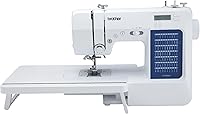
Brother ST531HD Sewing Machine Review: Worth It? (November 2026)
The Brother ST531HD is the right pick if you sew heavy fabric, from suede and leather to six layers of denim. It has 53 stitches, a metal frame and six presser feet. Beginners who mostly sew cottons get more stitches and a lower price from the XM2701.
On this page (8 sections)
The Brother ST531HD is a strong, metal-framed machine for sewers who work with thick fabric. It sews up to six layers of denim, takes suede, leather and lightweight silk, and comes with six presser feet.
For light everyday sewing the Brother XM2701 is the better buy.
This brother st531hd sewing machine review weighs the stitch count, the included feet and the build against what most home sewers actually need. The short version: pick the ST531HD for heavy seams and choose a lighter machine if you mainly sew cottons.
The Brother ST531HD at a glance
The ST531HD is a 53-stitch machine with a metal frame, a metal needle plate and a metal finger guard. It's built around strength rather than variety, and that's the point of the model.
The frame and needle plate keep fabric feeding smoothly when the layers get thick.
Brother ST531HD: Best for heavy fabrics

- 53 built-in stitches
- Up to 6 layers of denim
- 6 presser feet
- Easy needle threader
A metal-framed machine built to push through denim, leather and suede without changing machines. The stitch count covers everyday work, though its strength matters more than its variety.
Pros
- Handles up to 6 layers of denim
- Metal frame and metal needle plate
- 53 stitches with blind hem and zigzag
- 6 presser feet in the box
- 25-year limited warranty
Cons
- Price is higher than starter machines
- Fewer stitches than the XM2701
- Built for 120 volts in the US only
Its size is a normal home machine footprint at 16.1 inches wide, 7.87 inches deep and 12.21 inches tall. At 14.3 lb it's heavier than a basic starter model, which is part of why it stays steady on the table when you push thick fabric through.
Who should buy the ST531HD
Buy it if you mend jeans, make bags from canvas or work with leather and suede. The six-layer denim limit and the spring-action zigzag foot are the reasons to pay more than a starter machine costs.
Skip it if your sewing is mostly light cotton, crafts and simple repairs. A lighter Brother with an automatic needle threader and a jam-resistant top bobbin does that work comfortably and leaves money in your pocket.
The specs that matter in daily use
The 53 built-in stitches cover the stitches most people actually use, including zigzag, blind hem and decorative options. You change width and length with a dial, which is quick to learn and easy to adjust mid-seam.
The six included presser feet do more for daily sewing than the stitch count. The spring-action zigzag foot handles changing fabric thickness, the non-stick foot helps with fabrics that grip the plate, and the zipper foot gets you close to teeth and seams.
The buttonhole foot and button sewing foot cover the finishing jobs.
The auto-size buttonhole is one-step. You place the button in the foot and the machine sizes the buttonhole to it, so you don't measure the button by hand.
That's a real convenience on shirts, cuffs and bags.
Needle threading is handled by a lever on the side of the machine. Touch it and the ST531HD pushes the thread through the needle, which saves time when you switch colors between seams.
The bobbin setup is a Quick-Set drop-in top bobbin, and Brother calls it jam-resistant. Winding is automatic.
A free arm drops away for cuffs, sleeves and skinny jeans, so you can sew around a tube instead of fighting the fabric flat.
| Detail | Brother ST531HD |
|---|---|
| Stitches | 53 built-in |
| Buttonholes | One-step, auto-size |
| Presser feet | 6 quick-change |
| Denim capacity | Up to 6 layers |
| Needle threading | Built-in lever |
| Bobbin | Quick-Set drop-in top |
| Frame and plate | Metal |
| Dimensions | 16.1 W x 7.87 D x 12.21 H in |
| Weight | 14.3 lb |
| Power | 120 volts AC, US only |
| Warranty | 25-year limited |
Setting up the ST531HD
Setup is a standard Brother routine: thread the top, wind and load the bobbin, then pick a stitch and a foot. The needle threader removes the hardest step, so you can move to sewing faster.
Owners of Brother machines in general find the path marked on the machine easy to follow.
Load the bobbin into the top drop-in slot with the thread direction shown in the manual. Then raise the needle, pull the bobbin thread up through the needle plate and bring both threads under the foot.
Fit the presser foot that matches the job. The spring-action zigzag foot is the everyday choice; swap to the zipper foot for zippers and the blind stitch foot for hems.
Quick-change feet snap on without a screwdriver.
Test on a scrap of the fabric you'll use. Adjust stitch length and width with the dials until the seam sits flat and the tension looks even.
That step matters more on thick fabric than on cotton, because the feed can struggle if the settings are wrong.
Wind a fresh bobbin before a long project. An automatic winder takes the guesswork out of filling one evenly, and a spare bobbin costs you little when you keep a few loaded.
Threading, tension and the needle for thick fabric
The needle matters as much as the machine when you sew denim. Brother supplies heavy-duty needles for thicker fabrics and a 3-piece needle set plus a twin needle with the ST531HD.
Use the heavy-duty needle for denim and leather and a standard needle for silk and cotton.
Change the needle when it dulls. A worn needle skips stitches and can leave marks on leather, so keep a small stock of spares in the accessory pouch.
Tension is the setting to check when seams pucker or the bobbin thread shows on top. Move one dial step at a time and sew a test seam after each change.
Thick fabric often needs a slightly different setting than the light cottons you sewed last week.
The metal finger guard sits near the needle to keep fingers clear. Keep it in place while you sew, especially when you guide thick fabric close to the needle.
Follow the thread path carefully after each color change. The needle threader does the last step, but the upper threading still needs to run through the tension discs in order.
A missed guide shows up as loops on the underside.
Keeping the ST531HD running well
Clean the bobbin area after every few projects, because thick fabric sheds more lint than cotton. Remove the needle plate as the manual shows, brush out the lint and replace the plate before you sew again.
Wipe the machine with a soft, dry cloth. A soft dust cover ships in the box, which helps keep the machine clean between sessions and protects it from dust in a spare room or garage.
Oil only where the manual says to. Brother's maintenance instructions cover the spots and the schedule, and too much oil can stain fabric.
Check the power cord and foot controller for wear. The ST531HD runs on 120 volts and should only be used in the US; the cord and controller are part of the electrical setup, so store them tidily.
Replace needles when they dull rather than pushing through a hard seam with a worn point. A fresh needle protects both the fabric and the machine.
The trade-offs to know before you buy
The ST531HD costs more than a light starter machine and does less for light sewing. If your projects are cotton totes and basic repairs, its main strengths never get used.
It has fewer stitches than some machines at a similar price. The Singer Quantum Stylist 9960, for example, carries 600 stitches, five fonts and a large extension table.
That matters if decorative work is your goal, not if you sew jeans.
The ST531HD is also a dedicated US model at 120 volts. Brother says use outside the US voids the warranty, so buyers abroad should check local models instead.
It's heavier than a light portable at 14.3 lb. That weight helps stability on the table but makes it less convenient to carry to a class or a friend's house.
The accessories come in a white pouch rather than a hard case. If you store the machine in a shared room, the dust cover helps but doesn't replace a case.
Alternatives worth comparing
Brother XM2701: the easier start for beginners
The Brother XM2701 suits a first machine for light everyday sewing. It has 27 stitches, six quick-change feet and a one-step buttonhole, plus an automatic needle threader and a free arm.
At 12.6 lb it's lighter than the ST531HD and easier to move.
Choose it if you mostly sew cotton, crafts and simple repairs. The ST531HD stays the better pick when denim and leather are regular projects, not one-offs.
Brother ST371HD: the heavy-duty option with more stitches
The Brother ST371HD is the closest sibling to the ST531HD. It's another Strong & Tough model aimed at thick fabric.
Compare the two by stitch count, included feet and weight, and pick the one whose accessory set matches your projects.
If you sew heavy fabric often and want the accessory set built around that, the ST371HD deserves a look. The ST531HD remains a solid middle option when you want strength without the top price in the range.
Brother XR3774 and XR9550: quilting and computerized work
The Brother XR3774 leans toward quilting and everyday sewing. The Brother XR9550 is a computerized step up with more stitches and screen controls.
Neither is built around thick fabric the way the ST531HD is.
Go to the XR9550 for computerized stitch selection. Go to the XR3774 for quilting on a mechanical machine.
Stay with the ST531HD when strength through denim matters more than variety.
Brother CS5055: the budget-friendly computerized pick
The Brother CS5055 offers computerized features at a modest price. It's a sensible machine for light and mid-weight fabric and for sewers who want screen-based stitch selection.
If you don't sew heavy fabric, a computerized model like the CS5055 gives you more stitch control for less money. The ST531HD earns its price only when thick seams are part of the plan.
Verdict: who should buy the Brother ST531HD?
The Brother ST531HD is worth buying if thick fabric is part of your regular sewing. Its metal frame, metal needle plate and six-layer denim capacity make it a dependable machine for jeans, bags, leather and suede.
The 53 stitches and six feet cover everyday jobs too.
Skip it if your projects are light cotton and crafts. A lighter Brother such as the XM2701 starts easier, costs less and sews those fabrics well.
The same advice applies if decorative stitching or quilting is your main interest, where the Singer 9960 and the XR9550 offer far more variety.
Our score weighs specs, features and buyer feedback against what you're shopping for. For the ST531HD that means strength counts heavily, while the modest stitch count pulls the number down for buyers who want decorative range.
One practical line before you order: check the voltage and warranty terms for your country, because the ST531HD is built for the US market at 120 volts. After that, match the six included feet to the projects you sew most and the decision is straightforward.
Frequently asked questions
How many layers of denim can the Brother ST531HD sew?
Brother says the ST531HD sews through up to 6 layers of denim with the included spring-action zigzag foot. That foot glides over changing fabric thickness, which helps at seams and hems.
Keep to the fabric and needle guidance for your project and test on a scrap first.
Does the Brother ST531HD thread itself?
Yes. Touch the lever on the side of the machine and it pushes the thread through the needle for you.
You still guide the thread along the marked path first.
The same feature appears on many Brother models and saves time when you change thread colors.
What presser feet come with the Brother ST531HD?
Six quick-change feet ship with the machine: spring-action zigzag, non-stick, buttonhole, button sewing, zipper and blind stitch. They store in a white accessory pouch.
The non-stick foot helps with fabrics that grip, and the button sewing foot attaches buttons by machine.
Is the Brother ST531HD a good first sewing machine?
It can be, but the Brother XM2701 is the easier start for most beginners. The ST531HD earns its place when you already plan to sew denim, leather or other thick fabric.
If your first projects are cotton bags and simple repairs, a lighter machine does the same job for less.
What voltage does the Brother ST531HD use?
The ST531HD runs on 120 volts and is intended for sale and use in the US only. Brother says any other use voids the warranty.
If you live outside the US, check the voltage and warranty terms in your country before buying.
Can the Brother ST531HD make buttonholes?
Yes. It has a one-step auto-size buttonhole that sizes the buttonhole to fit the specific button.
The buttonhole foot is included.
That takes the guesswork out of matching a buttonhole to a button, which is one of the fussier parts of garment sewing.