Brother XM3700 Sewing Machine Review: Worth It? (November 2026)
The Brother XM3700 is a capable buy for a sewer ready to move past the basics, with 37 built-in stitches, five presser feet and a one-step buttonhole. Beginners who want the simplest possible start should pick the XM2701 instead.
On this page (7 sections)
The Brother XM3700 is a solid step-up machine for someone who already knows the basics and wants more stitches and more feet to work with. Its 37 stitches, one-step buttonhole and free arm suit garment sewing and light quilting.
A total beginner should start with the XM2701, which scores higher and costs less.
If you have sewn a few simple projects and want room to grow, the XM3700 earns its place. Below are the specs that matter, what setup looks like, and when a different machine makes more sense.
The Brother XM3700 at a glance
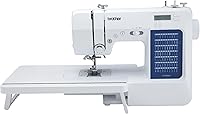
The XM3700 is a lightweight machine with a broad stitch menu, sold as a step up from Brother's basic starter models. It packs 37 stitches and five presser feet into a 12.5-pound body.
Our score weighs specs, features and buyer feedback against what you're shopping for. At 8.4 it sits just below the simpler XM2701 and the heavy-duty Singer 4423, because its extra stitches matter less to most first-time buyers than price and ease of use.
Brother XM3700: Best for sewers expanding their skills

- 37 built-in stitches
- One-step auto-size buttonhole
- Automatic needle threader
- Free arm
- Five presser feet
A light, well-equipped machine for garment sewing and decorative stitches. The free arm handles cuffs and sleeves, and the five feet cover most everyday jobs out of the box.
Pros
- 37 stitches cover decorative and utility work
- Automatic needle threader saves strain
- Free arm helps with cuffs, sleeves and baby clothes
- Five presser feet included
Cons
- Costs more than the basic XM2701
- Lightweight body is not built for heavy fabrics
- Sold for US use at 120 volts only
The white finish and compact body suit a sewing table or a spare-room corner. The real question is whether the extra stitches are worth the higher cost for the sewing you actually plan to do.
Its stitch count places it clearly above the XM2701's 27 stitches. Brother positions the XM3700 for garment construction, decorative stitching, heirloom sewing and quilting, so the extra stitches are grouped around those jobs rather than scattered at random.
The five feet echo that pitch: they cover seams, closures and hems rather than general-purpose attachments. For someone whose projects have moved past straight lines on flat cotton, that combination is the reason to look at this model at all.
Who the Brother XM3700 suits
Buy the XM3700 if you've finished a few starter projects and want more stitch variety. The 37 stitches include decorative and heirloom options beyond the straight and zigzag seams a basic machine covers.
It fits garment sewing well. The blind stitch foot helps with hems, the zipper foot with closures, and the button sewing foot with buttons, so you can work through a simple garment without buying extra feet.
The free arm is the feature to weigh if you sew sleeves, cuffs or baby clothes. Sliding off the accessory compartment exposes the narrow arm so you can sew around small cylindrical shapes.
It's less suited to someone who has never touched a sewing machine. The extra stitches add choices before you've learned the basics, and the XM2701 covers those basics for less.
It also suits a sewer who wants one machine to cover both garments and light home sewing. A blind hem on a pair of trousers and a decorative border on a cushion cover both fall inside its range.
What it does not suit is an everyday diet of thick seams. The 12.5-pound build tells you where Brother drew the line, and buyers who ignore that line are the ones most likely to end up with a second machine.
Stitches and feet that matter day to day
The 37 built-in stitches are the XM3700's main draw, and the five included feet decide how much of that stitch menu you can use straight from the box. Together they cover most garment and craft jobs.
The zigzag foot handles the everyday seams and decorative stitches. The zipper foot lets you sew close to a zipper without the foot riding on the teeth.
The blind stitch foot turns up a hem with a stitch that barely shows on the right side.
The buttonhole foot works with the one-step auto-size buttonhole. The machine measures the button and sews the hole to fit, so you don't set the length yourself.
The button sewing foot attaches buttons by machine rather than by hand.
Five feet is a practical set for garment work. If your projects lean toward quilting or heavy home decor, you'll likely want a walking foot or quilting guide as an add-on, since neither is in the included set.
The auto-size buttonhole deserves a closer look, because it is the feature most buyers underestimate. On a basic machine, a buttonhole means setting the stitch length and width yourself and hoping the two sides match.
The one-step foot measures the button in the foot and builds the hole to that size. For anyone sewing shirts, dresses or bags with buttons, it removes the most error-prone step in the project.
Setup and first stitches
Setup is beginner-friendly thanks to the automatic needle threader and drop-in bobbin. Both remove the two steps new sewers find hardest.
The needle threader pushes the thread through the needle eye for you. You still guide the thread along the path, but you don't need to squint at the eye or steady a hand needle.
The top drop-in bobbin sits under a clear cover. You drop the bobbin in and route the thread, and the design resists jams.
That's a simpler routine than a front-loading bobbin case.
Before your first seam, read the manual's threading order and test on a scrap of the fabric you plan to use. Adjust the stitch length and width for that fabric, then sew a short line to check the tension.
The LED light brightens the work area, which helps when you're threading or watching the needle at a seam. Take a few minutes with scrap fabric before starting a real project, since stitch and tension settings vary by fabric.
Care and everyday upkeep
Routine care keeps the XM3700 sewing smoothly and avoids skipped stitches. The main jobs are cleaning lint and changing needles.
Brush lint from the bobbin area and under the needle plate after a few projects. Lint builds up fastest with flannel, fleece and other fuzzy fabrics, and packed lint can cause skipped stitches or jammed bobbins.
Change the needle when it dulls or bends. A fresh needle makes a cleaner stitch and is less likely to skip or break thread.
Keep the spare needles from the included set in the accessory pouch.
Wipe the exterior with a soft, damp cloth and keep the machine covered when it's not in use. Store the feet and bobbins in the built-in compartment so they don't go missing between projects.
Follow the manual for oiling and for any service needs. Brother backs the machine with its At your side support, which offers technical help by online chat or phone for the life of the machine.
The accessory compartment does double duty. It holds the pouch, feet, bobbins and twin needle, then slides off to become the free arm.
Keeping it stocked and in place protects both the parts and the sewing surface. A twin needle is included, which lets you sew two parallel lines with one pass for decorative hems and knits, a step up from what the simplest machines ship with.
Trade-offs before you buy
The XM3700's main trade-off is price against the simpler XM2701. Both are light Brother machines with an automatic needle threader, drop-in bobbin and free arm, so the extra cost buys stitches and feet rather than a sturdier build.
The 12.5-pound body is light and portable, which helps if you move the machine between rooms. The same lightness means it's not the choice for repeated heavy work.
Denim, canvas and thick layers call for a machine with a metal frame and more power.
It's sold for US use at 120 volts, and any other use or sale voids the warranty. That matters if you plan to sew abroad or ship the machine to another country.
The five feet cover garment sewing, but not quilting extras. Budget for a walking foot if quilting is a big part of your plans.
For a full look at stitching options and how they compare across models, our Brother sewing machine reviews walk through what each machine includes.
One more trade-off is easy to miss: some machines leave out a button sewing foot and expect you to attach buttons by hand. The XM3700 includes both a buttonhole foot and a button sewing foot, so it covers the full button job from hole to fastening.
That is a small convenience until you have sewn a shirt by hand and know how long buttons take.
How the XM3700 compares with other Brother models
The XM3700 sits in the middle of Brother's light-machine range. The XM2701 is the better first buy for most people, while the ST371HD and XR3774 add features for specific jobs.
Here's how they line up.
Brother XM2701: the simpler starter
The XM2701 is the machine to pick if you're learning to sew and want the lowest-cost route into the basics. It has 27 stitches against the XM3700's 37, but includes six feet rather than five.
The 27 stitches cover blind hem, decorative, zigzag and stretch work, plus an auto-size buttonhole. For simple garments, mending and crafts, that's enough to learn on.
Pick the XM3700 only when you know you want the wider decorative stitch menu. Our Brother XR3774 review covers the quilting-focused option if that's your direction.
The two machines are close in weight, at 12.6 pounds for the XM2701 against 12.5 for the XM3700. The XM2701's sixth foot is the tie-breaker for a beginner, since more feet means more techniques to practice without buying extras.
The XM3700 answers back with ten more stitches and the decorative and heirloom options those stitches open.
Brother ST371HD: the heavy-duty Brother
The Brother ST371HD is the Brother model to choose when thick seams are the priority. It's built as a heavy-duty machine rather than a light step-up, so it suits denim and layered projects better than the XM3700.
Choose the ST371HD over the XM3700 if you sew jeans, canvas bags or upholstery fabric regularly. Stay with the XM3700 if you mostly sew light to medium cotton and want more decorative stitches.
Brother XR3774: the quilting step-up
The Brother XR3774 is the pick for quilting and larger projects. It pairs a wide stitch menu with a quilting setup, so it covers piecing and finishing work the XM3700 only partly handles.
If quilting is a serious interest, compare the XR3774 and the Brother XR9550 before settling on the XM3700. The XM3700 remains the lighter, simpler choice for garment sewing and everyday mending.
When the Singer 4423 wins
The Singer 4423 is the choice for thick fabrics and speed. Its metal frame, 1,100 stitches per minute and 50% more power than a standard machine handle denim and canvas that would strain the XM3700.
It also gives you 97 stitch applications and adjustable presser foot pressure. The cost is weight: at 17.1 pounds it's less portable than the XM3700.
Pick the Singer if heavy fabric is your everyday sewing; pick the Brother if light fabric and portability matter more. The Singer also ships with a soft-sided dust cover and a quilting guide among its accessories, so it covers more ground for quilting and home decor out of the box.
Verdict: should you buy the Brother XM3700?
The Brother XM3700 is worth buying if you've outgrown a basic machine and want more stitches, five useful feet and a free arm for sleeves and cuffs. It's a good middle step for garment sewing and light decorative work.
Skip it in two cases. A total beginner should start on the XM2701, which scores higher and includes six feet at a lower price.
Someone who sews denim and canvas regularly should choose the heavy-duty Singer 4423 instead.
For the buyer in between, the XM3700 makes sense when portability and stitch variety matter more than power. Check the voltage and warranty terms for your country before you order, since Brother sells it for US use at 120 volts.
Frequently asked questions
How many stitches does the Brother XM3700 have?
The XM3700 has 37 built-in stitches. That covers utility work like straight and zigzag seams plus decorative and heirloom stitches.
It also includes a one-step auto-size buttonhole, so you don't need to measure a buttonhole by hand.
Is the Brother XM3700 good for beginners?
Yes, with a caveat. The automatic needle threader, drop-in bobbin and free arm make it friendly to learn on.
However, a total beginner who wants the lowest cost and simplest feature set may prefer the XM2701, which costs less and still covers the basics.
Can the Brother XM3700 sew denim?
It can handle light denim and occasional thick seams, but it isn't built as a heavy-duty machine. For repeated work with denim, canvas or several layers, the Singer 4423 has a metal frame and more power, which suits thick fabric better.
What accessories come with the Brother XM3700?
The XM3700 ships with a white accessory pouch, five presser feet (zigzag, zipper, blind stitch, buttonhole and button sewing), a three-piece needle set, a twin needle, four bobbins and a user manual. That set covers most garment and craft sewing without extra purchases.
Does the Brother XM3700 work outside the US?
It's made for sale in the US at 120 volts. Using it elsewhere without a suitable voltage converter can void the warranty.
Check your local voltage and the warranty terms before buying if you plan to use it abroad.