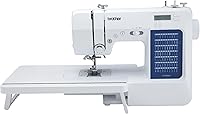
Juki HZL-G220 Sewing Machine Review: Worth It? (November 2026)
The Juki HZL-G220 is a buy for sewists who want industrial-style feeding in a home machine. Its box feed keeps light and heavy fabric moving evenly, and 180 patterns cover everyday sewing and decorative work.
On this page (9 sections)
The Juki HZL-G220 is a buy for sewists who want even feeding across light and heavy fabric, and its 180 patterns cover far more than basic seams. It carries a metal frame and industrial-style box feed that set it apart from most home machines in its class.
This review looks at how those features play out in daily sewing. It also covers setup, care and the real trade-offs, so you can decide whether the Juki HZL-G220 fits your projects.
The Juki HZL-G220 at a glance
The HZL-G220 is a computerized machine with box feed and a wide stitch menu. Juki builds it around the same feeding idea used in industrial machines, then wraps it in a home-friendly body.
JUKI HZL-G220 Sewing Machine: Best for mixed fabric weights

- Box feed system
- 180 patterns including 1 font of letters
- 8 buttonhole types
- Automatic needle threader
- Drop feed
- LED light
A computerized home machine with industrial-style box feed. It moves fabric without shrinking or shifting and handles anything from lightweight material to three layers of denim.
Pros
- Box feed keeps fabric from shrinking or shifting
- Sews light materials through thick denim
- Wide sewing space for large projects
- Automatic needle threader and drop-in bobbin
Cons
- Heavier than many home machines at 8.7 kg
- Front-load bobbin design in the description conflicts with the top-load bobbin elsewhere
The machine measures 16 inches wide, 23 inches deep and 12.5 inches tall, and weighs 8.7 kg. That footprint gives you a wide underarm space for large projects while still fitting a normal sewing table.
The spec sheet reads like a crossover between a home machine and a workhorse. You get 180 patterns, 8 buttonhole types, an LED light, a fine overcasting stitch and drop feed.
The material is listed as metal, and the power source is standard AC.
Who should buy the Juki HZL-G220?
Buy it if you sew a mix of fabric weights and want one machine that handles all of them. The box feed matters most when you switch between light cottons and thick hems in the same session.
It also suits sewists who like decorative options. The 180 patterns include utility stitches, embellishment designs and one font of letters for personalizing gifts and home textiles.
The wide underarm space adds to the appeal for quilters and bag makers. Large projects are more comfortable to manage when the machine gives you room to the right of the needle.
Skip it if you mainly make simple repairs and want the lightest possible machine. A basic mechanical model costs less and covers straight and zigzag work.
This Juki makes more sense when you'll use its feeding and stitch range.
Specs that matter in daily use
The box feed is the headline spec, and it changes how fabric behaves under the needle. A standard machine moves the feed dog in an oval motion, while this one moves it in a box motion.
Juki says that motion stops material from shrinking or shifting. The result is more accurate stitching on stretchy or delicate fabric, where small slips show up in the seam.
The same principle keeps long straight seams even on quilting cotton.
The feeding system also carries heavy work. Juki rates the HZL-G series for three to twelve to three layers of denim, so hemming jeans is within its range.
The improved presser foot construction supports that claim by applying steady pressure to thick material.
Buttonholes are another daily-use spec. The machine offers 8 types, and Juki says they come out clean regardless of the material type.
That matters when you sew garments in different fabrics and want a closure that matches each one.
The rest of the feature set covers the routine jobs: an LED light, a fine overcasting stitch for finishing edges and drop feed for free motion work. Add 180 patterns and a letter font, and the machine covers utility, decorative and monogram sewing.
Setting up the Juki HZL-G220
Set the machine on a sturdy, level surface and give yourself room for the wide sewing space. The 8.7 kg body is stable, but a wobbling table still affects stitch quality.
Threading is quick thanks to the automatic needle threader. It pulls the thread through the eye without eyestrain, so you can move from one project to the next faster.
The bobbin setup is designed to save time. Follow the guide and you don't need to pull up the bobbin thread before you start sewing.
That removes a fiddly step from every new bobbin.
Threading and bobbin steps in plain terms
Start with the spool and follow the numbered thread path molded into the machine. The automatic needle threader takes over at the needle, so you don't need to squint or wet the thread to poke it through.
For the bobbin, wind it first and then seat it in the machine. Juki's data describes a quick preparation routine where you follow the guide and skip pulling up the thread.
The top-load design has a window so you can see how much thread is left on the bobbin. You don't have to remove the bobbin case to insert a new one, and you don't have to take off the accessory tray from the free arm to change bobbins.
The full rotary metal hook moves in one direction, which Juki says runs quieter and needs less lubrication than older shuttle systems.
If you're new to this style of machine, our guide to setting up the Juki HZL 355ZW A walks through threading and stitch selection in plain steps. The controls are similar enough that the routine carries over.
One point to check before you buy: the product data describes a front-load bobbin in one place and a drop-in top-load bobbin in another. Both are easy to wind and insert, but confirm which style yours has so you order the right bobbins.
How it handles light and heavy fabric
The HZL-G220 earns its keep when your fabric weight changes from one seam to the next. Juki says it sews extra lightweight materials without shrinkage, then moves to thick handles with ease.
That range comes from the box feed plus the improved presser foot construction. Juki calls the feeding powerful, and the wide underarm space makes large projects more comfortable to manage.
For everyday sewing, that means you can piece a light cotton top and hem a pair of denim jeans on the same machine without resetting anything unusual. Quilters benefit too, because even feeding helps keep seam allowances consistent across long strips.
The 8 buttonhole types handle garment closures in whatever fabric you're using. Juki says the buttonholes come out well regardless of material type, so you're not limited to one fabric for shirts or bags.
If you also sew structured projects like bags or home decor, the feeding strength helps with layered seams. Pair the machine with the right needle and the fabric moves without the drag that causes skipped stitches.
The fine overcasting stitch is worth noting for edges. It finishes seams on light fabric without the bulk of a full overlock, which keeps garments comfortable to wear.
Care and maintenance for the HZL-G220
Keep the machine running smoothly with regular cleaning and correct bobbins. Lint builds up under the needle plate and around the bobbin area, especially after denim or flannel projects.
Brush out lint after heavy sessions and follow the manual for oiling. A drop-in bobbin system with a full rotary hook runs quieter and needs less lubrication than older shuttle systems, which keeps maintenance simple.
Cover the machine when it's not in use to keep dust out of the mechanisms. Store it on a stable shelf or table rather than moving it often, since the 8.7 kg weight makes it awkward to carry.
Use the right needle for each fabric and change it when it dulls. A fresh needle protects both the fabric and the timing of the machine.
Denim calls for a heavier needle, while light cottons do better with a fine one.
The LED light helps you see the stitching area, but good room lighting still matters for detail work. Clean the light cover along with the rest of the machine when you do routine upkeep.
Keep the manual near the machine for the stitch chart. The 180 patterns are easier to use when you know which ones suit utility work and which are decorative.
The trade-offs to know before you buy
The HZL-G220 asks for more space and more money than a basic machine. At 8.7 kg it's heavier than the Janome models below, so it stays put rather than traveling to classes.
The wider stitch range also means more to learn. A beginner can use the straight and zigzag stitches right away, but the decorative patterns and letter font take practice to use well.
There's no stated cover in the data, so plan a dust cover if the machine sits out. The drop feed is there for free motion work, but you'll need to add your own darning or quilting feet for those techniques.
The bobbin description conflict is the one detail to confirm. Ask before ordering so your spare bobbins match the machine you receive.
The 180 patterns also include only one font of letters. If lettering is a big part of your plans, look at the full pattern list first to see whether that font suits the size and style you want.
Alternatives worth a look
Three machines make sense as alternatives, each for a different sewist. Compare them on feeding, stitch count and what comes in the box.
Janome Arctic Crystal
The Janome Arctic Crystal suits first-time sewists who want simple controls. It has 15 built-in stitches, a 4-step buttonhole and a 3-piece feed dog for even fabric movement.
It weighs just 12 pounds, so it's easy to carry to classes or store between projects. Four presser feet come in the box, including a general purpose foot, blind hem foot, buttonhole foot and zipper foot.
The trade-off is fewer stitches and no automatic threader, so you'll thread by hand.
The Brother XR3774 is another beginner-friendly option if you want quilting extras included from the start.
Janome JW8100
The Janome JW8100 fits quilters who want the accessories in the box. It comes with an extension table, hard cover, even feed foot and quarter-inch quilting foot.
It offers 100 built-in stitches and 7 one-step buttonholes, plus a built-in threader and speed slider. The 7-piece feed dog moves fabric evenly on cotton, knits and layered material.
The trade-off against the Juki is a smaller stitch menu and lighter body.
If you want more stitches without the quilting extras, the Brother XR9550 covers a similar range.
Brother ST371HD
The Brother ST371HD is the pick for heavy fabric on a budget. It's a mechanical machine built for thicker materials and straightforward seams.
Check the ST371HD's stitch range against the projects you actually make. If you need lettering or decorative patterns, the Juki covers them; if you only sew straight seams on tough fabric, the simpler machine can do the job.
See the full Brother ST371HD review for its features.
Verdict: is the Juki HZL-G220 worth it?
The Juki HZL-G220 is worth it if you want industrial-style feeding in a home machine and will use its 180 patterns. It earns its higher score by handling light fabric without shrinkage and thick denim without struggle.
The feature set rewards sewists who do more than straight seams. Eight buttonhole types, a fine overcasting stitch and a letter font turn it into a machine for garments, gifts and home decor, not just repairs.
Buy it if you sew garments, bags or quilts across different fabric weights and want one machine to cover them. Skip it if you need a light portable model for classes or only sew simple repairs.
For a first machine on a budget, the Janome Arctic Crystal is the easier start. For quilting with accessories included, the Janome JW8100 makes more sense.
Our other Juki HZL-G220 sewing machine reviews and model comparisons help you settle the final choice.
Frequently asked questions
Is the Juki HZL-G220 good for beginners?
It can work for a confident beginner who wants one machine for years. The automatic needle threader and simple stitch selection help, but the wider range of stitches and heavier body suit someone who has already used a basic machine.
What does box feed mean on the Juki HZL-G220?
Box feed moves the feed dog in a square motion instead of the usual oval path. Juki says this keeps fabric from shrinking or shifting, which gives more even seams across light and heavy materials.
Can the Juki HZL-G220 sew denim?
Yes. Juki says the HZL-G series has strong feeding and can handle up to three layers of denim.
That makes it a practical choice for hemming jeans as well as everyday garments.
How many stitches does the Juki HZL-G220 have?
It has 180 patterns, including one font of letters. That covers utility stitches, decorative patterns and monogram-style lettering for personalizing projects.