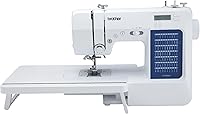
Juki HZL-LB5100 Sewing Machine Review: Worth It? (November 2026)
The Juki HZL-LB5100 is a buy for sewers who want a light, portable computerized machine with 100 stitches, three one-step buttonholes and a built-in needle threader. Skip it if you need quilting-scale throat space; the Juki HZL-F600 series covers that.
On this page (7 sections)
The Juki HZL-LB5100 is a buy for sewers who want one compact machine for everyday projects and classes. It packs 100 stitches, three one-step buttonholes and a built-in needle threader into a light 5.6 kg aluminum-framed body.
The clear reason to skip it is size: if you mainly quilt large projects, a full-size machine gives you more room at the needle.
These Juki HZL-LB5100 sewing machine reviews focus on what the specs mean at the table: how much stitch variety you actually get, how the needle threader changes your routine and where the compact bed starts to work against you. The verdict comes first, and the alternatives are named by the job they do better.
The Juki HZL-LB5100 at a glance
The HZL-LB5100 is a computerized machine built around stitch variety and portability. Juki says it is strong yet lightweight and portable, aimed at everyday use, classes and quilt retreats.
The headline specs back that up: 100 stitches, three one-step buttonholes, a built-in needle threader and a 7mm maximum stitch width.
Juki HZL-LB5100 Computerized Sewing Machine: Best for portable everyday sewing

- 100 built-in stitches
- 3 one-step buttonholes
- Built-in needle threader
- 7mm maximum stitch width
- 5mm maximum stitch length
A compact aluminum-framed computerized machine with a broad stitch menu and a needle threader. Its light weight makes it easy to carry to classes and retreats.
Pros
- 100 stitches cover basic, stretch and decorative work
- Built-in needle threader saves eye strain
- 7mm stitch width gives decorative stitches room to show
- 5.6 kg weight is easy to move between rooms
Cons
- The bed is compact, so large quilts bunch up
- No automatic thread cutter or knee lift in the specs
Its aluminum frame and 5.6 kg weight are the two facts to weigh together. Aluminum is lighter than a cast metal frame and still gives the needle a stable base, so the machine can travel without feeling loose in use.
That is why it scores a 9 here: the spec set lines up closely with what a sewist shopping for a portable computer machine wants.
What it is not is a quilting workhorse. The compact dimensions suit a table, a class desk or a spare room, not a long-arm frame.
The body is 15.98 inches wide, 11.73 inches tall and 7.17 inches deep, so it takes up about the footprint of a small microwave. Keep that in mind as you read the rest of this review, because the size that makes it easy to carry is the same size that limits big projects.
Who the HZL-LB5100 is for
Buy it if you sew garments, home decor and small quilted items and want one machine that can move with you. It also fits a sewer stepping up from a mechanical machine who wants push-button stitch selection without jumping to a large cabinet model.
A student taking a first sewing course will find the compact footprint sits well on a narrow desk, and the 100 stitches mean there is room to grow as projects get harder.
Skip it if your main projects are bed-size quilts or you need a wide extension table as a permanent setup. Those jobs want a full-size machine with more throat space.
For a mechanical alternative that suits heavier fabric, the Brother ST371HD is the better fit.
The specs that matter in daily use
The 7mm stitch width is the spec you'll notice most, because decorative stitches and satin work need width to show their shape. A 5mm maximum stitch length covers everything from basting to short utility stitches.
Together they give you a broad range without changing machines for each project type.
The 100 stitches break into basic, stretch and decorative patterns. Most sewers use a handful daily, but the extras pay off when a project calls for a scalloped hem or a stretch stitch on knit fabric.
Three one-step buttonholes mean you can finish a shirt front without manual sequencing. That count is worth thinking about in advance: three buttonhole styles suit a garment maker, but if you sew a lot of shirts with different button sizes, plan to adjust the width and length to match each one.
The needle threader changes the routine more than the stitch count does. You pull it down, the hook passes through the eye and you guide the thread through before releasing.
It matters when you change thread often or sew in evening light. The aluminum frame and 5.6 kg weight keep the machine steady while staying light enough to lift.
On the power side it runs on a corded electric supply, so there is no battery to manage.
| Detail | Juki HZL-LB5100 |
|---|---|
| Built-in stitches | 100 |
| Buttonholes | 3 one-step |
| Needle threader | Built-in |
| Max stitch width | 7mm |
| Max stitch length | 5mm |
| Weight | 5.6 kg |
| Material | Aluminum |
| Model number | HZL-LB5100 |
Setting up the HZL-LB5100
Setup takes about 20 minutes on the first run, mostly winding the bobbin and reading the threading path. The needle threader is the one step to practice before you sit down to a real project, because the hook has a small motion you need to feel once.
Start by placing the machine on a stable table with the foot pedal where your foot rests naturally. Wind a bobbin following the guide, then thread the upper path in order and use the needle threader for the final step.
Computerized machines need the needle in the right position before you thread, so check that first.
Set your stitch with the push buttons and test on a scrap of your actual fabric. Adjust the stitch length and width from there rather than trusting the default.
The manual lists the recommended settings for each stitch type, and the first read is worth the time. The display walks you through the selection, so you can see the stitch number and the width and length you have set before the needle moves.
The buttons you'll use most
Two buttons do more daily work than the rest of the panel. The memorized needle up and down button lets you stop with the needle in the fabric when you turn a corner, which keeps the stitching line from drifting at the pivot.
The automatic locking stitch button ties off the thread at the start and end of a seam so you don't have to backstitch by hand. Juki names both features in the product description, and together they remove the two small motions that slow a beginner down most.
After the first session, setup shrinks to a couple of minutes. Wind a spare bobbin and keep a second needle size on hand so you don't stop mid-project.
Our threading and setup section covers the basics if the path feels unfamiliar.
How to care for the HZL-LB5100
Care is mostly dust control and a clean bobbin area. Brush lint from the bobbin case after every few projects, because lint under the bobbin causes skipped stitches faster than any other fault.
A soft brush and a small screwdriver for the plate are all you need.
Work over a tray or a sheet of paper so the lint does not spread across the table.
Change the needle on a schedule rather than waiting for a break. A dull needle makes a punching sound and can damage knit fabrics.
Keep a few spares in the accessory tray so the swap is quick. Match the needle size to the fabric: a light needle for knits and a sturdier one for denim or canvas.
Wipe the exterior with a soft dry cloth. Don't oil a computerized machine unless the manual tells you to, because the wrong oil can reach the electronics.
Keep the machine covered when it isn't in use, especially in a room with pets. Store it flat rather than on its side, and carry it by the base when you take it to class.
A soft cover protects the dials and thread path between sessions.
The trade-offs to know before you buy
The main trade-off is bed space. The compact body suits garments and small quilted items, but a bed-size quilt will bunch up at the needle.
If quilting is your main goal, look at the full-size Juki options below before you commit.
The second trade-off is the feature set at the top end. The specs list a needle threader and buttonholes but no automatic thread cutter or knee lift.
Those are conveniences rather than essentials, but sewers coming from a larger machine may miss them. An automatic cutter saves a step at the end of every seam, and a knee lift frees both hands when you pivot.
Neither is required to sew well, so this only matters if those habits are already part of your routine.
The third is the learning curve. Computerized selection means buttons and a display rather than a dial.
That is faster once you know it, but the first week is slower than a mechanical machine with a stitch dial. Reading the stitch chart once and keeping it near the machine shortens that week.
None of these is a dealbreaker for the buyer this machine targets. If you move from garments to quilts, the size limit becomes the reason to upgrade.
A sewer who mostly mends and makes bags will likely never feel the missing features at all.
Alternatives worth comparing
The HZL-LB5100 sits in a crowded field, and two or three alternatives cover the jobs it handles less well. Each one below is a different answer to the same question: what do you sew most?
Juki HZL-F600 Computerized Sewing and Quilting Machine
The Juki HZL-F600 is the pick when quilting and larger projects matter more than portability. It lists 255 built-in stitches, including letters and buttonholes, plus an LCD screen and an automatic needle threader.
That stitch menu is more than double the HZL-LB5100's.
The F600 also ships with a soft-sided dust cover and stores its accessories in a tray, which matters if the machine lives out on a table.
The stitch selector switch on the LCD lets you see each stitch before you commit, so the larger menu stays easy to navigate. The trade-off is size and weight: the F600 is a full-size machine that stays on a table rather than traveling to class.
If you sew on the kitchen table and put the machine away, the HZL-LB5100's 5.6 kg body is easier to live with.
Juki HZL-F600 Full Sized Computer Sewing and Quilting Machine
This second F600 listing carries a lower score of 6.6 because the model details and specs read less clearly than the other listing. The title and model number match the F600 name, so check the exact model and included accessories if you go this route.
Its spec list gives the size as 23 inches wide and 15.8 inches tall, and the material as alloy steel.
The practical advice is simple: when two listings share a model name but not a score, buy the one whose spec set you can read in full. The other F600 entry above is the clearer buy.
Use this one only if the details line up with what you need and the accessories are spelled out. The stitching capability is the same F600 family, so the choice is about listing clarity and what comes in the box, not about a different sewing experience.
Brother XR3774 Sewing and Quilting Machine
The Brother XR3774 is the budget-friendly alternative for sewers who want quilting features at a lower cost. It's a sewing and quilting machine, so it's built for piecing and finishing rather than garments alone.
Compare its stitch count and included feet against the HZL-LB5100's 100 stitches.
If price tier matters more than brand, the Brother is worth a look. The HZL-LB5100 still wins on portability and the needle threader for class use.
For a step up in features within Brother's range, the Brother XR9550 adds more stitch options and quilting accessories. And if you want the simplest possible mechanical machine as a second option, the Singer M1500 is the entry-level pick.
Verdict: is the Juki HZL-LB5100 worth it?
Yes, buy the Juki HZL-LB5100 if you want a light, portable computerized machine with a wide stitch menu for garments, home decor and small quilted projects. The 100 stitches, three one-step buttonholes, needle threader and 7mm width cover most everyday sewing, and the 5.6 kg aluminum body makes it easy to move.
Skip it and choose the HZL-F600 if quilting large projects is your main aim. The compact bed is the real limit here, not the stitch count.
For a lower-cost quilting option, the Brother XR3774 makes more sense. Those Juki HZL-LB5100 sewing machine reviews come down to one question: do you need portability more than bed space?
If yes, this is the machine. If quilting is the plan, go full size.
Frequently asked questions
How many stitches does the Juki HZL-LB5100 have?
It has 100 built-in stitches and three one-step buttonholes. That range covers straight, stretch and decorative patterns, and the one-step buttonholes let you make a finished opening without manual four-step sequencing.
Is the Juki HZL-LB5100 good for beginners?
Yes. The needle threader and push-button stitch selection remove two of the fiddliest early steps, and the compact size keeps everything within reach.
A computerized machine still needs the manual read once, so plan a short practice session before your first garment.
What is the stitch width and length on the HZL-LB5100?
The maximum stitch width is 7mm and the maximum stitch length is 5mm. The width matters most for decorative stitches and satin work, while the length range covers basting through to short utility stitches.
Does the Juki HZL-LB5100 have a needle threader?
Yes, it has a built-in needle threader. You pull the threader down, the hook passes through the needle eye, and you guide the thread through before releasing it.
That helps most when you change thread colors often or sew in low light.
How much does the Juki HZL-LB5100 weigh?
It weighs 5.6 kg, which is light enough to carry to a class or move between rooms. The aluminum frame keeps the machine stable while you sew, so the low weight does not mean a flimsy feel under the needle.