Singer 4411 vs 4423: Which Heavy Duty Model Is Better? (October 2026)
For singer 4411 vs 4423, choose the 4423 for its automatic needle threader, one-step buttonhole and adjustable presser foot pressure. Choose the 4411 if you want a pink machine with fewer stitch choices. Both reach 1,100 stitches per minute and are described for thick fabrics.
On this page (11 sections)
- Singer 4411 vs 4423: what is the main difference?
- Who should choose the Singer 4411?
- Who should choose the Singer 4423?
- Which machine is better for thick fabric?
- Do the extra stitch applications matter?
- How do the buttonholes compare?
- What should you know about threading and bobbin setup?
- How should you set up either machine for a new project?
- What common mistakes should you avoid?
- Should you consider the Singer 4432?
- How do you decide between the Singer 4411 and 4423?
For singer 4411 vs 4423, the 4423 is the stronger fit if you want easier threading, a one-step buttonhole and more control across different fabrics. The 4411 suits buyers who prefer its pink finish and expect to use a smaller set of stitch options.
Both machines reach 1,100 stitches per minute and are described for materials such as denim, canvas and leather. That shared speed and heavy-duty focus make the deciding details practical ones: how often you sew buttonholes, how much stitch variety you need, and whether you want the 4423’s extra setup controls.
The 4432 is a nearby alternative if stitch variety is your main priority. It has 110 applications, while the 4423 has 97 and the 4411 has 69.

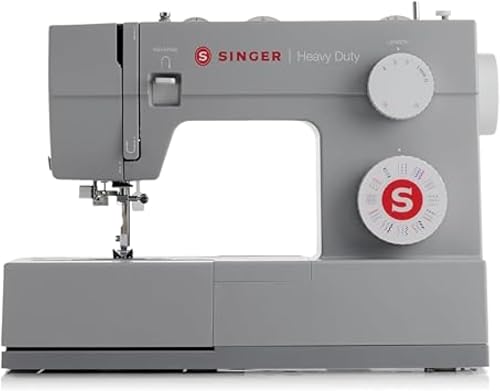
Singer 4411 vs 4423: what is the main difference?
The 4423 adds threading and fabric-control convenience; the 4411 offers a simpler set of features in a pink finish. Both are described for heavy fabrics and share a maximum speed of 1,100 stitches per minute.
The 4411 has 11 built-in stitches that provide 69 applications, including essential, decorative and stretch choices. The 4423 has 23 stitches and 97 applications, covering basic, stretch and decorative work.
The buttonhole is another clear difference. The 4423 makes one in a single step, while the 4411 uses a 4-step process.
The 4423 also has an automatic needle threader, adjustable presser foot pressure and a built-in free arm.
| Feature | Singer 4411 | Singer 4423 |
|---|---|---|
| Stitch applications | 69 | 97 |
| Buttonhole | 4-step | 1-step |
| Automatic needle threader | Not described | Yes |
| Presser foot pressure | Not described | Adjustable |
| Maximum speed | 1,100 stitches per minute | 1,100 stitches per minute |
| Color | Pink | Meltwater Blue |
| Score | 7.4 | 8.8 |
The 4423's higher score reflects its additional controls and setup features for this comparison. The 4411 still makes sense if its lower feature count is enough for your regular sewing and the pink finish matters to you.
Who should choose the Singer 4411?
Choose the 4411 if you want a pink heavy-duty machine and expect to use essential, decorative or stretch stitches for routine projects. Its 69 applications cover a range of common sewing tasks without the added choices of the 4423 or 4432.
It can suit a beginner who is comfortable learning a mechanical machine and doesn't need an automatic needle threader or adjustable presser foot pressure. The motor is described for thick materials, and its speed matches the 4423's maximum.
Skip the 4411 if you sew buttonholes often and want fewer setup steps. Its 4-step buttonhole takes more steps, and an automatic needle threader is not among its described features.
Before buying, think about your regular projects rather than the machine's maximum speed. For hemming, simple repairs, and occasional decorative stitches, a smaller selection may be all you need.
Who should choose the Singer 4423?
Choose the 4423 if you want easier needle threading, one-step buttonholes or presser foot adjustments for changing fabric types. Those conveniences can matter when you switch between garments, home projects and materials with different thicknesses.
Its top drop-in bobbin has a transparent cover, so you can check thread supply while sewing. The free arm helps with pant hems, cuffs, collars and other small cylindrical pieces.
The adjustable presser foot pressure gives you another control when working with lightweight or thicker fabrics. The extra-high presser foot lift also makes it easier to position multiple layers beneath the foot.
Skip the 4423 if you won't use its added controls and would rather choose a pink machine with fewer applications. More options are useful when they match your projects, but they can take time to learn.
Which machine is better for thick fabric?
Either model can fit projects with denim, canvas or leather, since both are described for those materials. The 4423 adds adjustable presser foot pressure, an extra-high presser foot lift and an extra-long stitch-length option for basting and thicker materials.
The 4411 is also described for thick fabrics and has a powerful motor. Both machines share the same listed maximum speed, so speed alone does not give you a reason to favor one for every heavy-fabric project.
Start with a needle and thread suitable for the material, and test the settings on a scrap from the same fabric. Sew at a controlled pace, guide the fabric without pulling it, and follow the manual's instructions for the number of layers and machine settings.
If thick materials are the main reason you're shopping, our guide to sewing machines for thick fabric explains which features to weigh. Our heavy duty vs regular sewing machine guide also explains when a heavy-duty model fits your work.
Do the extra stitch applications matter?
The 4423 has 28 more applications than the 4411, but that difference matters most when you expect to use the extra choices. Both machines cover basic or essential, decorative and stretch stitching.
For seams, hems and everyday mending, you may rely on a small group of stitches. Decorative work, different garment fabrics or projects that call for stretch stitches can make a broader selection more useful.
Choose based on the stitches you can name for your upcoming projects, not just the larger number. The 4411 can be enough for routine work, while the 4423 gives you more options to explore.
Our guide to types of sewing machine stitches explains what common stitches do. If you're new to the brand, Singer sewing machines for beginners can help you compare these models with simpler options.
How do the buttonholes compare?
The 4423 uses a one-step buttonhole, while the 4411 uses a 4-step buttonhole. The one-step design means fewer separate steps when you sew buttonholes on a garment or home project.
For either machine, practice on a scrap of the same fabric before sewing on the finished piece. Follow the manual's instructions for positioning the buttonhole foot and preparing the fabric.
The 4411 can still make buttonholes, but its process takes more steps. If buttonholes are an occasional task, that may not affect your choice; if you make them often, the 4423 is more convenient.
What should you know about threading and bobbin setup?
The 4423 has an automatic needle threader and a top drop-in bobbin with a transparent cover. Those features help simplify setup and make it easier to keep an eye on the bobbin thread.
The 4411 includes bobbins and other accessories, but an automatic needle threader isn't among its described features. On either machine, check that the thread follows the manual's path and that the bobbin is seated correctly before sewing.
A quick setup routine can prevent avoidable thread trouble. Raise the presser foot while threading, use the correct spool orientation for your model, and turn the handwheel as directed when bringing up the bobbin thread.
Use our step-by-step guide to threading a Singer sewing machine if you need a walkthrough. For preparing a fresh bobbin, see how to wind a bobbin.
How should you set up either machine for a new project?
Set up the machine with the right needle, thread, stitch and fabric before sewing the finished piece. A short practice seam helps you see whether the fabric feeds smoothly and the stitches look even.
Begin by reading the manual's threading and bobbin instructions for your model. Select a needle suited to the fabric, then choose a stitch and length for the seam; the 4423's adjustable presser foot pressure gives you an extra setting to consider when fabric weight changes.
For thick layers, align the edges and support the fabric so its weight doesn't pull the seam off course. Use the foot to guide the material steadily instead of forcing it under the needle.
For lightweight fabric, a scrap test can reveal whether the fabric puckers or shifts. Adjust the settings gradually and keep notes about combinations that work for your common fabrics.
What common mistakes should you avoid?
Avoid forcing thick fabric, skipping setup checks or choosing a machine by speed alone. Those habits can lead to uneven seams, bent needles or frustration even when a machine is intended for heavier work.
Match the needle and thread to the fabric, and don't assume every stack of layers will feed the same way. Use a scrap to check stitch length and tension before sewing a visible seam.
For buttonholes, follow the machine's process carefully and practice first. For threading problems, recheck the thread path and bobbin placement before changing tension settings.
Finally, don't treat the higher application count as proof that you'll use every stitch. A machine is easier to live with when its controls match the work you actually plan to do.
Should you consider the Singer 4432?
Consider the 4432 if you want more stitch applications than either the 4411 or 4423. It has 110 applications and a one-step buttonhole, while the 4423 has 97 applications and adds adjustable presser foot pressure and a free arm.
The 4432 also has a top drop-in bobbin with a clear cover and a built-in needle threader. Its features make it a useful comparison for buyers who value stitch choices, while the 4423 is a better match if its fabric controls matter more.
If you mainly need the 4432's extra applications, compare those stitches with your intended projects before deciding. The 4411 remains the pink option, and the 4423 offers a balanced mix of convenience and fabric control.
How do you decide between the Singer 4411 and 4423?
For singer 4411 vs 4423, pick the 4423 if you want its automatic needle threader, one-step buttonhole and adjustable presser foot pressure. Pick the 4411 if you want a pink finish and expect its 69 applications and 4-step buttonhole to suit your sewing.
If you value stitch variety above those conveniences, compare the 4432's 110 applications before you choose. For another brand and feature set, read our Brother ST371HD review to see whether a different heavy-duty machine better fits your projects.
Frequently asked questions
Is the Singer 4423 better than the 4411?
The Singer 4423 has more stitch applications, a one-step buttonhole, an automatic needle threader and adjustable presser foot pressure. The 4411 has 69 applications and a 4-step buttonhole.
Choose the 4423 for its added convenience and fabric control, or the 4411 if you prefer its pink design.
Can the Singer 4411 and 4423 sew thick fabric?
Both are described for fabrics such as denim, canvas and leather, and both reach 1,100 stitches per minute. For thick layers, use an appropriate needle and thread, sew at a controlled pace and follow the machine's manual for fabric and setup guidance.
What is the main difference between the Singer 4411 and 4423?
The 4423 has an automatic needle threader, a one-step buttonhole, adjustable presser foot pressure and 97 applications. The 4411 has 69 applications, a 4-step buttonhole and a pink finish.
Should I consider the Singer 4432 instead?
Consider the Singer 4432 if you want more stitch applications than either model in this comparison. It has 110 applications and a one-step buttonhole, while the 4423 adds adjustable presser foot pressure and an automatic needle threader.
Match the features to the work you plan to sew.
Which Singer model is easier to thread?
The 4423 has an automatic needle threader, which can make threading the needle easier. An automatic needle threader isn't described for the 4411.
Follow the manual's threading path if stitches form poorly or thread breaks.


